Baby Dino KDP Notebook Cover: A Practical Evaluation for Publishers
The market for print-on-demand notebooks on Amazon KDP is both vast and competitive. Success often depends on finding a specific niche and presenting a product that meets the technical and aesthetic expectations of a targeted buyer. The Baby Dino KDP Notebook Cover product represents a specific type of asset bundle designed to help publishers enter this space efficiently. This article provides a balanced evaluation of this product category, exploring its components, strategic value, potential tradeoffs, and the scenarios where it aligns best with a publisher's goals.
Defining the Product and Its Components
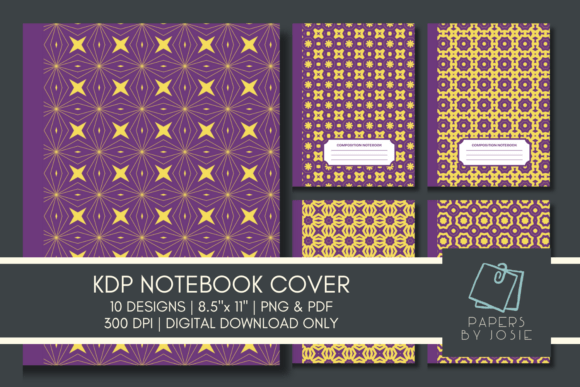
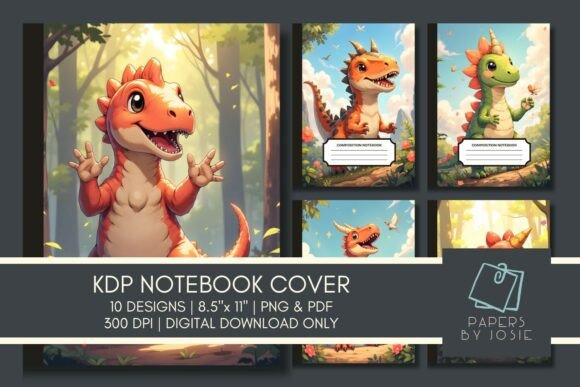
At its core, the Baby Dino KDP Notebook Cover is a digital asset pack. It is not a physical book, but rather a collection of files that a publisher uploads to Amazon KDP to create a print-on-demand listing. A typical pack, such as the one described, includes 10 unique cover designs centered around a baby dinosaur theme. Beyond the covers, it provides a matching college-ruled interior of 120 pages, formatted for a standard 8.5 x 11-inch trim size. The files are delivered via a single ZIP archive, containing high-resolution 300 DPI PNG and PDF files.
This product falls under the broader category of a KDP composition notebook cover bundle. The key differentiator is its thematic focus. Instead of a generic marble pattern or a minimalist design, it targets a specific interest. The technical specifications—300 DPI, standard trim size, PDF interior, PNG cover—are industry standards for KDP, ensuring the files are theoretically ready for upload without immediate modification.
Strategic Considerations for Using Themed Cover Packs
Why would a publisher choose a highly specific theme like baby dinosaurs over a more versatile design? The decision involves a clear strategic tradeoff between reach and relevance.
- Differentiation in a Crowded Market: Amazon's search results for "composition notebook" are dense. A generic cover competes with thousands of others. A distinct theme like baby dinosaurs can help a listing capture the attention of a specific buyer, such as a parent, teacher, or child looking for a fun, themed school supply. This can lead to a higher click-through rate from search results.
- Targeted Audience Appeal: This pack aims to resonate with a defined demographic. Instead of appealing to everyone, it speaks directly to someone with an interest in dinosaurs or a need for a gift for a child. This targeted approach can sometimes yield higher conversion rates than a generic design, even if the overall search volume for the niche is lower.
- Operational Efficiency: Commissioning 10 unique, professional cover designs from a freelance graphic artist can be costly and time-consuming. Pre-made packs like this offer a cost-effective way to quickly populate a KDP catalog with cohesive, themed content. This is particularly valuable for publishers testing a niche for the first time.
Evaluating the Practical Components and Tradeoffs
A thorough evaluation requires a close look at the specific elements of the bundle. While the pack offers clear benefits, there are practical tradeoffs to consider.
The 10 Unique Designs
Benefit: Variety is a significant advantage. It allows a publisher to create a series of books, test different cover styles within the same niche, and offer customers choice. This can build a small "brand" within the Amazon ecosystem.
Tradeoff: The publisher is fully committed to the baby dinosaur theme. If the initial listings do not perform well, it is difficult to repurpose these specific assets for a different audience. The designs may also become visually repetitive if the variations are subtle.
College Ruled Interior (120 Pages)
Benefit: College rule is a standard for middle school, high school, and general adult use. The 120-page count is a common length that provides decent value without making the book too thick or expensive to print.
Tradeoff & Consideration: There is a potential mismatch here. The "Baby Dino" theme strongly appeals to young children, perhaps in preschool or elementary school. However, college ruling is typically too narrow for young children, who often prefer wide rule. Older children or teens who might appreciate the dinosaur theme could find it too "babyish." The publisher must carefully define the target audience. Is this for a young child who will write in it (unlikely with college rule), or an older student or adult who simply enjoys the aesthetic?
Standard 8.5 x 11-Inch Trim
Benefit: This is a very common size for composition notebooks. It is what most buyers expect from a standard notebook. It is also a size that Amazon prints efficiently, keeping production costs predictable.
Tradeoff: The 8.5 x 11 size is large compared to other popular notebook sizes like 6x9 or 7.5x9.25. It is less portable and more suited for desk use. A publisher whose strategy involves smaller, portable journals would need different assets.
Technical Assets: 300 DPI, PNG, PDF, ZIP
Benefit: These formats and resolutions meet Amazon's standard requirements. The inclusion of both PNG (for the cover layout, typically including the spine and back cover) and PDF (for the interior) covers the essential needs of the KDP upload process. The ZIP file is a logical way to deliver the volume of files.
Tradeoff: The publisher must still ensure that the cover template matches Amazon's specific guidelines for their chosen book size and page count. While the files are print-ready in terms of DPI, slight adjustments to the spine width might be needed if the final page count varies slightly from 120.
Scenarios Where This Product Is a Strong Fit
This type of KDP composition notebook cover pack is likely a strong fit in the following situations:
- Targeting the children's or educational market: If your KDP strategy is focused on school supplies, teacher gifts, or children's journals, the baby dinosaur theme is directly relevant.
- Low-stakes market testing: For a new publisher wanting to test a niche without a significant upfront financial or time investment, this pack provides a quick way to create 10 distinct listings and gauge market response.
- Building a themed series: The 10 designs allow for creating a cohesive "shop within a shop." A publisher could launch a series of dinosaur-themed notebooks tailored for different subjects or grade levels.
Scenarios Where Alternatives Deserve Consideration
There are also clear scenarios where a publisher should look for different assets:
- Audience mismatch: If your target buyer is a professional, a college student looking for a minimalist design, or a very young child in pre-K, this pack is not optimal. The interior ruling and cover style do not align with these groups.
- Need for flexibility: If you want to cover multiple niches (fitness, business, travel, spirituality), a single niche pack like this is too limiting. A set of abstract, versatile covers would be a better investment.
- Specific format requirements: If your strategy relies on a different trim size (e.g., 6x9) or a different interior style (e.g., dot grid, blank, wide rule), this specific pack will not meet your needs.
Practical Decision-Making Insights for Publishers
Before purchasing any themed cover pack, follow these practical steps to ensure it aligns with your goals. First, conduct market research on Amazon. Search for "baby dinosaur composition notebook" and analyze the existing listings. Note their sales ranks, ratings, and how the covers are presented. Is there room for another entrant? Second, review the licensing terms carefully. Understand what rights you are purchasing and if there are any limitations on usage or print runs. Third, verify the interior file. Upload the sample PDF into the KDP previewer to check margins, gutter spacing, and overall formatting. Finally, plan your differentiation strategy for the 10 designs. Consider giving each a unique subtitle or volume number to create a clear series rather than 10 identical-looking books.
Balancing Expectations with Outcomes
A pre-made cover pack like the Baby Dino KDP Notebook Cover is a tool, not a guarantee of success. It provides the foundational assets needed to create a print-ready book file. It solves the problem of design and formatting for a specific niche. However, it does not solve the challenges of keyword research, pricing strategy, marketing, and customer demand. A publisher using this pack must still invest time in optimizing their product listings and understanding their target customer. The pack holds the most value for those who recognize it as a starting point for a focused niche strategy, rather than a shortcut to passive income.
In summary, the decision to use this product comes down to alignment. If your publishing goals, target audience, and technical requirements match what the pack offers, it is a practical and efficient resource. If there is any significant misalignment in theme, audience age, or format, the asset will likely underperform. A careful, objective evaluation of these factors is essential before making a purchase.