Craft Business Planning: Turn Your Creative Passion into a Profitable Venture
Running a handmade business is an exciting journey that blends creativity with entrepreneurship. Many makers start by selling at local craft shows or opening an Etsy shop, driven by a love for their craft. But as orders pile up and the business grows, the thrill of creating can quickly give way to overwhelm. Suddenly, you are juggling inventory, tracking expenses, planning new products, and trying to reach more customers—all while still making time for the hands-on work you love.
This is where a craft business planner becomes not just helpful but essential. A dedicated planner designed for handmade sellers provides the structure needed to organize every aspect of your business. It helps you move from chaotic hustle to confident growth. In this article, we explore what a craft business planner is, why it matters for creative entrepreneurs, and how it can transform the way you work, plan, and succeed.
What Is a Craft Business Planner and Why Does It Matter?
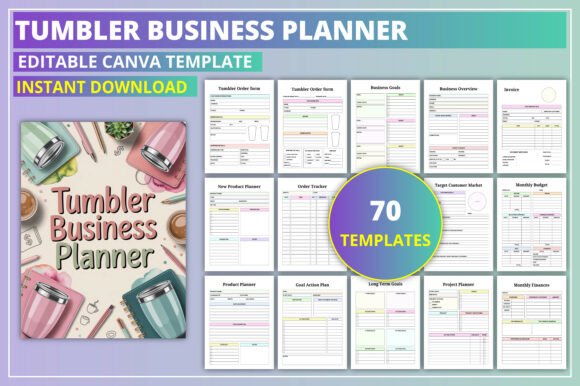
A craft business planner is a specialized tool—often a printed or digital workbook—created specifically for people who sell handmade goods. Unlike a generic daily planner, it addresses the unique challenges of a creative business: product development cycles, handmade pricing, seasonal sales patterns, inventory management, and the need to balance art with commerce.
The purpose of such a planner is to provide a clear roadmap. It helps you define your vision, understand your customers, set realistic goals, and track your progress week by week and month by month. For many makers, the craft business planner serves as a bridge between the dream of a thriving business and the practical steps required to make it happen.
In today's modern creative economy, where platforms like Etsy, Shopify, and local markets offer incredible opportunities, having a structured planning system is a competitive advantage. It means you spend less time guessing and more time doing what matters—creating and selling.
Key Features of a Comprehensive Craft Business Planner
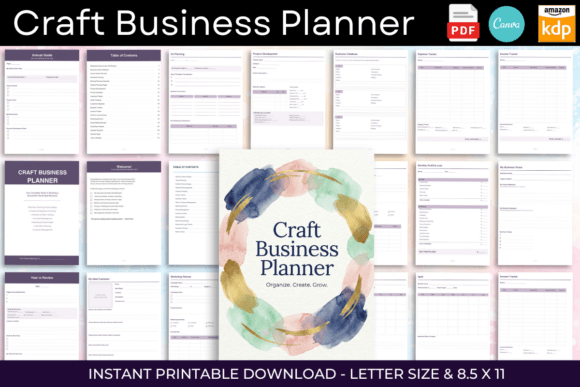
A well-designed craft business planner includes several core sections, each addressing a specific area of your business. Below we explore these features in detail, showing how they support your journey from hobbyist to profitable business owner.
Defining Your Business Vision and Mission
Every successful business starts with a clear sense of purpose. The Business Vision and Mission section of a craft planner prompts you to articulate why your business exists and what it stands for. Your vision might be to create sustainable, handcrafted home decor that brings warmth to people's lives. Your mission could involve using only eco-friendly materials and supporting local artisans.
This foundational step matters more than many makers realize. When you have a clear vision, every decision—from product design to marketing—becomes easier. You know what to say yes to and what to say no to. It also helps you communicate authentically with your customers, who are drawn to brands with a clear identity.
Understanding Your Ideal Customer
One common mistake among new craft sellers is trying to appeal to everyone. The Ideal Customer Profile section helps you define exactly who you serve. Ask yourself: What age are they? What lifestyle do they lead? What problems does your handmade product solve for them? Are they buying for themselves or as a gift?
For example, if you make hand-poured soy candles, your ideal customer might be someone who values natural products, enjoys self-care rituals, and looks for unique gifts. Knowing this helps you tailor your product descriptions, pricing, and marketing messages to resonate deeply with that specific person. It also helps you choose the right sales channels—whether that is Etsy, craft fairs, or your own website.
Setting Annual Goals and Breaking Them Down
Goals give your business direction. The Annual Goals Overview page in a craft business planner helps you set targets across several categories: product development, financial performance, marketing reach, and personal growth. Instead of vague wishes like "grow my business," you define specific, measurable goals such as "launch 12 new products this year" or "increase monthly revenue by 20 percent."
From there, the Quarterly Planning Pages allow you to break those big annual goals into three-month action steps. If your annual goal is to increase revenue, your Q1 focus might be on improving product photography and launching a social media campaign. This step-by-step approach makes huge goals feel achievable and keeps you accountable.
Monthly and Weekly Planning for Consistent Progress
Consistency is the secret ingredient of successful handmade businesses. The Monthly Planning Calendars help you track focus areas, revenue targets, and important dates like market application deadlines, holiday sales, or product launches. Each month, you can review what worked and adjust your strategy.
Moving to the Weekly Planning Pages, you get down to the nitty-gritty of tasks and priorities. On any given week, you might list: finish prototyping a new scarf pattern, reply to customer messages, update your Etsy shop listings, and post three times on Instagram. Weekly planning keeps you on track without overwhelming you, because each week is a manageable chunk of time.
Product Development and Pricing Clarity
One of the most valuable sections of a craft business planner is the Product Development Pages. Here, you record details about each item you make: materials, labor time, production cost, and supplier information. This level of detail ensures you never forget how you made a product and helps you replicate success.
Linked to product development is pricing. Many makers underprice their work because they only calculate material costs and forget to account for their time, overhead, and profit. A dedicated pricing section helps you build a complete cost breakdown and set prices that reflect the true value of your handmade goods. For example, if a hand-knitted beanie costs $8 in yarn, takes three hours at $15 per hour labor, plus overhead, your minimum price might be $53. Understanding this math protects your margins and ensures your business is sustainable.
How a Craft Business Planner Fits into Modern Creative Entrepreneurship
The handmade marketplace has evolved tremendously. Today, selling on Etsy, Amazon Handmade, or through your own online store is more accessible than ever. However, competition is also higher. Customers expect professional branding, clear product photos, and excellent customer service—even from small makers.
A craft business planner helps you meet those expectations without sacrificing your creative energy. It provides a systematic way to manage the business side so you can focus on making. For instance, when you have a clear content calendar from your planner, you never scramble for a social media post idea. When your product development pages are organized, you can efficiently plan seasonal collections without last-minute stress.
Moreover, the planner becomes a single source of truth for your business. Instead of having notes scattered across your phone, notebooks, and email, everything is in one place. This reduces anxiety and helps you make informed decisions based on real data—like which products sell best, which months are slow, and where you need to adjust your strategy.
Common Misunderstandings About Business Planning for Makers
Many creative entrepreneurs resist formal business planning because they worry it will stifle their creativity or feel too corporate. This is a common misunderstanding. A craft business planner is not about rigid rules or boring spreadsheets. It is about creating a structure that supports your creativity, not limits it. When you know your goals and have a plan, you actually free up mental space to be more innovative.
Another misconception is that planning is only for big businesses. In reality, small and solo businesses benefit even more from planning because you are doing everything yourself. Without a plan, it is easy to get pulled in many directions and burn out. A planner helps you prioritize what matters most and say no to distractions.
Some makers also assume they do not need a formal planner because they can keep everything in their head. While that might work for a short time, as your product line grows and customer base expands, details slip. A planner is a reliable external memory that ensures consistency and quality.
Practical Examples of Using a Craft Business Planner
Let us look at a realistic example. Imagine you run a small business making hand-poured candles and wax melts. Using your planner, you start the year by defining your vision: "To create cozy, natural home fragrance products that help people unwind." Your ideal customer is a woman aged 28–45 who values self-care and natural ingredients.
Your annual goal is to launch two seasonal collections and increase monthly revenue by 25 percent. In Q1, you focus on perfecting your spring collection: new scents like lavender and fresh linen. Your monthly calendar for January includes ordering supplies, testing scents, and updating your Etsy listings. Weekly tasks include creating mock-ups, taking photos, and writing product descriptions.
On the product development page, you record that each candle costs $4.50 for wax and wick, $1.20 for fragrance, and $2.00 for the jar. With 30 minutes of labor at $12 per hour, your total cost is $13.70. You set your price at $28, giving you a good margin. When a customer asks about bulk pricing at a craft fair, you can confidently answer because your numbers are clear.
By the end of the year, you review your planner and see which products performed best, which marketing efforts worked, and what you learned. You carry those insights into the next year, continuously improving your business.
Final Thoughts: Building a Business with Confidence
Starting and growing a handmade business is one of the most rewarding endeavors a creative person can undertake. However, passion alone does not build a sustainable business. You need a system that helps you organize your ideas, track your progress, and make smart decisions. This is exactly what a craft business planner provides.
Whether you are a new maker just launching your first product or an experienced seller looking to scale, the structured approach of a planner gives you clarity and confidence. It helps you stay focused on your vision, understand your customers, set meaningful goals, and manage the day-to-day work without losing sight of the big picture.
Your creativity is your greatest asset. Pair it with a solid planning practice, and you will be well on your way to building a handmade business that is not only profitable but also deeply fulfilling. The journey from maker to entrepreneur is a beautiful one—and the right planner makes the path much clearer.