Helping Kids Manage Big Emotions: A Complete Guide to Anger Management Workbooks for Children
Every parent has been there. One moment your child is playing happily, and the next, they are stomping their feet, clenching their fists, and letting out a roar that could rival a dinosaur. It can feel overwhelming, confusing, and even a little frustrating. But what if that big, loud emotion wasn't something to fear? What if it was simply a signal — a sign that your child needs help understanding what they are feeling and how to express it safely?
Anger is a natural human emotion. For children, especially those between the ages of five and ten, learning how to recognize, name, and manage anger is a critical life skill. Yet most kids are never explicitly taught how to do this. They feel the heat rising inside them — the clenched jaw, the racing heart, the urge to scream or hit — and they have no framework for what to do next. That is where a thoughtfully designed anger management workbook for kids can make a genuine difference.
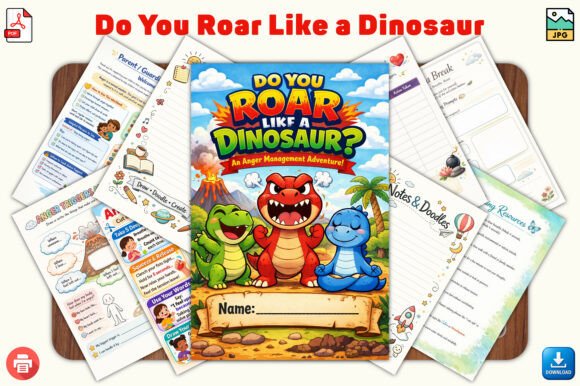
This article explores why emotional regulation is so important for young children, what to look for in a quality anger management resource, and how interactive tools like Do You Roar Like a Dinosaur? turn emotional learning into a playful, non-intimidating experience.
Why Anger Management Matters for Kids
Children experience anger just as intensely as adults do, but they lack the vocabulary, self-awareness, and impulse control to process it constructively. Without guidance, anger can lead to meltdowns, aggressive behavior, social difficulties, and low self-esteem. On the other hand, when children learn to understand their anger, they gain something far more valuable than temporary calm — they gain emotional intelligence.
Emotional intelligence includes the ability to:
- Recognize and name emotions as they arise
- Understand what triggered the feeling
- Choose a response rather than reacting impulsively
- Repair relationships after conflicts
- Develop empathy for others
These skills do not develop overnight, and they certainly do not develop through lectures or punishment. They grow through practice, repetition, and — most importantly — through engaging activities that feel safe and fun. That is exactly what a children's anger management workbook provides: a structured yet playful space for kids to explore their feelings.
What Makes an Anger Management Workbook Effective?
Not all workbooks are created equal. A truly effective anger management workbook for children should be age-appropriate, visually engaging, and grounded in proven techniques. It should meet children where they are developmentally and invite them to participate actively — not just read passively.
Kid-Friendly Language and Illustrations
Children ages five to ten respond best to materials that use simple, clear language and colorful, welcoming illustrations. When a workbook features a friendly dinosaur or playful monsters, it immediately lowers a child's defenses. Instead of feeling like they are being "fixed," they feel like they are going on an adventure.
Interactive Activities Over Passive Reading
The most effective workbooks include drawing prompts, writing exercises, reflection pages, and hands-on activities. A child might be asked to draw what their anger looks like, color in a thermometer to show how angry they feel, or practice a breathing exercise alongside a character. These activities help children externalize their emotions — seeing them on paper makes them feel less overwhelming and more manageable.
Parent and Teacher Guidance
A great workbook doesn't leave adults in the dark. It should include a parent guidance section or tips for teachers so that the learning can continue beyond the page. When adults understand the concepts behind the activities, they can reinforce them in everyday moments — during a sibling conflict, after a disappointing loss, or before a stressful event.
Inside a Quality Kids Anger Management Workbook
To give you a clearer picture of what a well-designed resource looks like, let's walk through the core components found in a workbook like Do You Roar Like a Dinosaur? These elements are not random; they are intentionally sequenced to build emotional awareness step by step.
Understanding What Anger Is
The journey begins with normalization. Children need to hear that anger is not bad — it is just a feeling. The workbook explains that everyone feels angry sometimes, and that the goal is not to eliminate anger but to express it safely. This simple reframe can reduce shame and open the door to honest exploration.
Identifying Anger Triggers
Every child has unique triggers. Maybe it's being told "no," feeling left out, or struggling with a challenging task. By identifying their personal triggers, children gain foresight. They can begin to anticipate when anger might arise and prepare themselves in advance.
Recognizing Body Signals
Anger shows up physically long before it erupts. A child might feel their face get hot, their fists clench, or their heart pound. A body clues worksheet helps kids connect these physical sensations to the emotion of anger. Once they recognize the early warning signs, they can intervene early — before the roar explodes.
Learning Calming Techniques
This is the heart of any anger management workbook. Activities like breathing exercises, positive self-talk prompts, and the anger thermometer give children concrete tools to use in the moment. These techniques are simple enough for a five-year-old to remember and effective enough to make a real difference.
Building Healthy Coping Skills
Beyond calming down, children need to learn how to cope with disappointment, frustration, and conflict in healthy ways. A volcano feelings page, for example, helps kids visualize the buildup of emotions and practice safe release. Reflection journal pages encourage them to think back on a situation and consider what they might do differently next time.
How a Workbook Fits Into Modern Family Life
In today's fast-paced world, parents are busier than ever. Between school, extracurriculars, screen time, and household responsibilities, finding dedicated time for emotional education can feel impossible. That is why a portable, ready-to-use resource is so valuable.
A trim size of 6 × 9 inches is perfect for slipping into a backpack, keeping in the car, or pulling out at the kitchen table. Whether you have five minutes before dinner or a full afternoon on a rainy weekend, you can open the workbook and find an activity that fits the moment.
Moreover, the high-quality JPG and PDF files included with many modern workbooks mean parents and teachers can print pages as needed. Use one page today, revisit it next week, or make extra copies for siblings. This flexibility makes it easy to integrate emotional learning into daily routines without adding stress.
Practical Benefits for Children
When children consistently use an anger management workbook, the benefits extend far beyond the pages. Parents and teachers often report improvements in several key areas:
- Self-awareness: Children begin to notice their emotions before they escalate.
- Self-control: With practice, kids learn to pause and choose a response rather than reacting impulsively.
- Confidence: Mastering a calming technique or completing a reflection page builds a sense of accomplishment.
- Social skills: As children learn to manage their own emotions, they become better at navigating friendships and resolving conflicts.
- Resilience: Kids develop the ability to bounce back from disappointments and setbacks without falling apart.
Common Misunderstandings About Anger Management for Kids
Some parents worry that using an anger management workbook means their child has a "problem" or that it will label them as difficult. This is a common misconception. In reality, teaching emotional regulation is no different from teaching reading or math — it is a skill that benefits every child, regardless of temperament.
Another misunderstanding is that anger management means suppressing anger. The exact opposite is true. Healthy anger management is about expressing anger in ways that do not harm yourself or others. A good workbook helps children release their feelings constructively — through drawing, talking, writing, or physical movement — rather than bottling them up.
Why Parents and Teachers Love Interactive Workbooks
Educators and caregivers alike appreciate resources that are easy to use and produce visible results. A well-designed anger management workbook checks both boxes. The language is approachable, the design is non-intimidating, and the activities are engaging enough to hold a child's attention.
Teachers use these workbooks in calm-down corners, during social-emotional learning blocks, or one-on-one with students who need extra support. Parents use them at home during quiet time, after a difficult moment, or as part of a bedtime routine. In both settings, the workbook becomes a consistent anchor — a familiar tool that helps children feel safe and understood.
Choosing the Right Workbook for Your Child
When selecting an anger management workbook, consider your child's age, interests, and attention span. Look for:
- Age-appropriate content (typically 5–10 years for most workbooks)
- Plenty of interactive elements (drawing, coloring, writing, matching)
- A positive, non-judgmental tone
- A parent guidance section
- High-quality design and durable format
If your child loves dinosaurs, animals, or playful characters, find a workbook that speaks their language. The more they connect with the theme, the more willing they will be to engage with the content.
Final Thoughts: Turning Roars Into Words
Every child deserves to feel seen, heard, and supported — especially when big emotions feel overwhelming. An anger management workbook is not a magic solution, but it is a powerful starting point. It gives children the language, tools, and confidence they need to navigate their emotional world.
When your child feels the heat rising and the roar building, they can learn to pause, breathe, and say, "I know what this is. I know what to do." That is not just calmness — that is empowerment. And it starts with one page, one activity, one small step at a time.
Whether you are a parent, teacher, or caregiver, investing in a quality anger management resource is one of the most meaningful gifts you can offer a child. Because helping a child understand their anger today means helping them build a foundation of emotional strength that will last a lifetime.