Mindful Reflections: A Practical Workbook for Thought Awareness
Mental wellness tools often fall into two camps: either they feel clinical and cold, or they lean so heavily into aesthetic that the substance gets lost. Mindful Reflections manages to sit comfortably between the two, offering a structured yet gentle approach to understanding how we think. This workbook, designed for anyone looking to reduce mental clutter and build healthier thinking habits, provides a calm space for genuine self-exploration without the pressure of perfection.
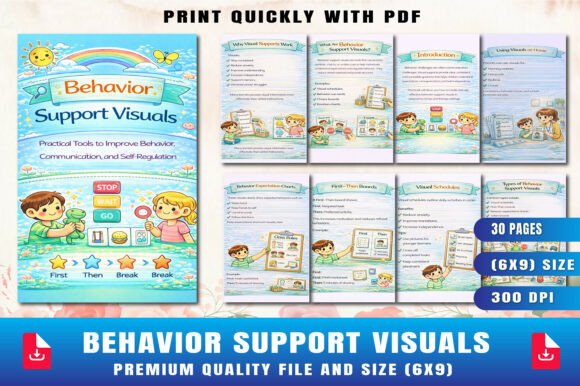
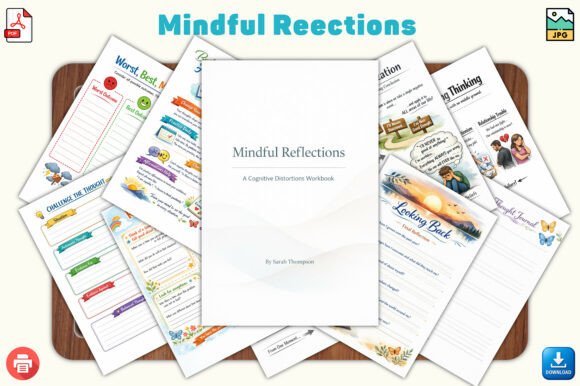
What makes this workbook stand out is its thoughtful restraint. At 19 beautifully structured pages with a compact 6 × 9 inch format, it avoids the overwhelming bulk that many guided journals suffer from. The size is intentional—small enough to slip into a bag or keep on a bedside table, yet large enough to provide adequate writing space for reflection and journaling. KDP print-friendly and delivered with high-quality JPG files and a print-ready PDF, it respects both the creator's production needs and the user's experience.
Visual Personality and Design Language
The design style of Mindful Reflections leans into minimalism without being sterile. The calm, minimal layout paired with a clean white background creates breathing room for the user's thoughts. Modern, professional typography guides the eye naturally through each section, while the overall aesthetic evokes a sense of quiet competence—like a trusted therapist who knows when to speak and when to listen.
This workbook doesn't try to impress with flashy graphics or dense ornamentation. Instead, it trusts the content to do the work. The ample writing space isn't an afterthought; it's a deliberate feature that invites the user to linger, reflect, and write freely. The personality here is warm but not saccharine, professional but not clinical. It feels like a companion for the journey rather than a textbook demanding to be completed.
Where This Workbook Delivers Real Value
Mindful Reflections shines across several contexts, from personal growth to guided therapeutic work. For individuals beginning their mental wellness journey, the workbook meets them exactly where they are. The guided prompts around thought awareness and reflection, common unhelpful thinking patterns, and exercises to challenge negative thoughts are presented without judgment. There's no assumption of prior knowledge, no jargon to decode.
For therapists, counselors, and coaches, this workbook serves as a practical tool to extend the work done in sessions. The structured exercises on reframing thought patterns align well with cognitive and mindfulness-based practices, giving clients something tangible to work through between appointments. The simplicity of the design means it doesn't compete with the therapeutic relationship—it supports it.
Creative professionals, marketers, and entrepreneurs may also find unexpected value here. The same mental patterns that cause personal distress often show up in creative blocks, imposter syndrome, or difficulty making decisions. Using Mindful Reflections as a morning or evening practice can help clear mental noise, making space for clearer thinking and better creative work.
Readability, Hierarchy, and the User Experience
Typography plays a critical role in how information is absorbed, and Mindful Reflections handles this well with its modern, professional typeface choices. The clean sans serif font used for headings creates clear visual hierarchy, while the body text flows comfortably for extended reading and writing sessions. The contrast between heading weights and body copy reduces cognitive load, allowing the user to focus on the prompts rather than decoding the layout.
When you're working through challenging thought patterns, the last thing you need is a busy page fighting for your attention. The minimal layout and generous white space act as visual rest stops, giving the mind permission to pause. This is especially important for users who may already be feeling overwhelmed by negative thinking cycles. The design doesn't add to the noise—it subtracts from it.
The page size and margins are also worth noting. At 6 × 9 inches, there's enough room to write without feeling cramped, and the margins are generous without wasting space. This balance matters for a workbook that's meant to be used, not just read. Users can write freely, draw connections, or add their own notes without fighting the layout.
Practical Guidance for Choosing and Using This Workbook
Before committing to any self-help workbook, it's worth asking a few questions. First, does the format match your intended use case? Mindful Reflections is designed for daily use or guided therapy support, making it suitable for both short-term focused work and ongoing practice. The 19 pages are substantial enough to cover core topics without overstaying their welcome.
Second, consider the prompts and exercises. This workbook focuses on thought awareness, identifying unhelpful patterns, challenging negative thoughts, and journaling with self-compassion. If those align with your goals—whether personal or professional—the structure will serve you well. The gentle prompts are designed to encourage rather than demand, which reduces the resistance that often comes with starting a new practice.
For those working with multiple users or clients, the licensing and production quality matter. The KDP print-friendly format and high-quality JPG files make reproduction straightforward. The clear, minimal design also means you can pull single pages for specific exercises without losing context. This flexibility is valuable for coaches and therapists who want to tailor the experience to individual needs.
Lessons for Creative Professionals and Publishers
If you're a designer, publisher, or content creator looking at Mindful Reflections as a model for your own work, there's plenty to learn here. The restrained color palette—white background with professional typography—keeps production costs low while ensuring the final product looks polished. The modern typography choices demonstrate how a well-selected typeface can establish brand identity and consistency across every page.
For brands considering similar products, the takeaway is clear: trust your content and your user. You don't need decorative elements, elaborate illustrations, or trendy fonts to create something valuable. A premium font can elevate the experience, but only when it serves readability and hierarchy first. Mindful Reflections proves that a thoughtful approach to design and content can create a product that feels both professional and personal.
The workbook also highlights the importance of audience alignment. By addressing common thinking patterns without labeling them as disorders, it appeals to a broad demographic—adults aged 20 to 50 who may be designers, marketers, entrepreneurs, or simply individuals seeking better mental habits. The language stays accessible without being simplistic, and the design respects the user's intelligence.
Final Recommendations
Whether you're a mental health professional looking for a supportive tool, a creative professional needing to clear mental clutter, or someone simply interested in understanding your own thought patterns better, Mindful Reflections offers a practical, well-designed starting point. The careful balance of structure and openness means you can use it as a daily practice, a therapy supplement, or a deep-dive when specific challenges arise.
The workbook doesn't promise to fix everything, and that's part of its honesty. What it does offer is a calm, structured space to explore how you think—and that's a meaningful first step toward healthier mental habits. For anyone designing or publishing similar products, it serves as a strong example of how clarity, restraint, and user-centered design can create something genuinely helpful.