Homeschool Planner: A Print-Ready Design System
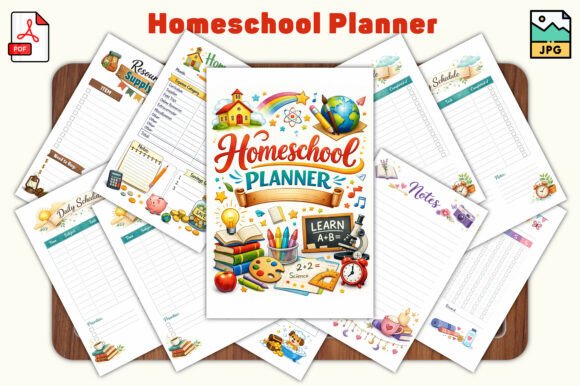
From a professional graphic design standpoint, the true foundation of a stress-free homeschool environment isn’t just a schedule—it’s a thoughtfully structured visual system. The 📘 Homeschool Planner – Complete 31-Page Printable Planning System embodies this principle at its core. This isn’t merely a collection of forms; it is a comprehensive design asset built for clarity, consistency, and cognitive ease. At 6×9 inches with a black-and-white, ink-friendly color mode, this planner demonstrates how intentional layout and typography can transform a heavy administrative task into an elegant, manageable workflow.
The Blueprint of a Comprehensive Design System
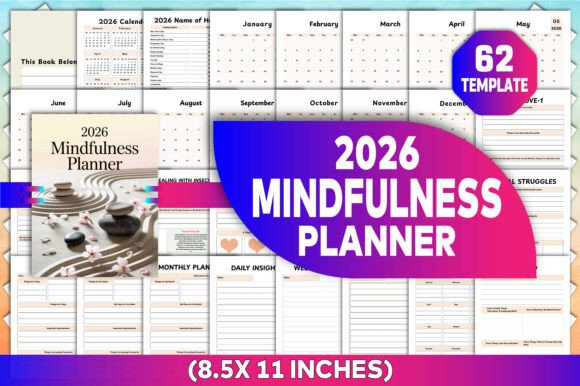
Every great visual design starts with a strong grid, and this planner is a case study in modular editorial design. The 31 unique pages are structured to guide the user’s eye naturally from high-level strategic thinking down to daily execution. The opening pages—featuring a Homeschool Goals Vision and a Student Information Page—function as a brand identity touchpoint, allowing the educator to define their core mission before diving into the logistics. This establishes a clear visual hierarchy that prioritizes purpose over process.
The middle section of the planner showcases robust UI design principles applied to print. Spreads like the Weekly Lesson Planner and Daily Schedule use consistent spacing, clear section headers, and generous white space to reduce cognitive load. For a designer, this layout is a masterclass in creating a seamless user experience (UX) outside of a digital screen. The grid-based alignment ensures that whether you’re tracking attendance, reading logs, or habits, every page feels like part of a unified, cohesive system rather than a disconnected set of forms.
Ink-Friendly: The Strategic Choice in Color and Accessibility
One of the most striking design trends applied here is the deliberate monochrome color palette. While colorful social media graphics and digital assets dominate modern life, going grayscale for print is a profoundly user-centric decision. An ink-friendly, black-and-white layout directly addresses the real-world constraints of home printing—cost, speed, and accessibility—without sacrificing aesthetic quality.
This choice forces the typography and composition to carry all the visual weight. High-contrast text, clear rule lines, and subtle variations in weight (bold headers, light body text) create a clean, modern aesthetic that feels premium rather than bare. For any graphic design professional building creative assets for education, this demonstrates how a restricted palette can actually enhance usability. It ensures that the elements which need attention—deadlines, goals, tasks—pop off the page without the need for decorative clutter.
Practical Applications Across Creative Fields
The beauty of this Homeschool Planner lies in its versatility. It is more than a tool for parents; it is a practical example of how to structure information for maximum impact. Here is how different creatives can draw inspiration from its architecture:
- Graphic Designers & Brand Strategists: Study the Curriculum Overview and Annual Monthly Planning pages as a blueprint for creating brand identity systems that need to scale across many touchpoints. The consistent application of grids and margins is directly transferable to web design and packaging design.
- Content Creators & Digital Marketers: The clean, distraction-free layout is ideal for repurposing into digital marketing lead magnets or creative projects for an audience that values organization. The black-and-white scheme ensures that the focus remains on the content value, not the decoration.
- Home Educators & Tutors: For those building a teaching brand identity, using a professionally designed planner adds a layer of professional presentation to your daily operations. It shows students and parents that you value design workflow and clarity.
Typography and Visual Hierarchy: The Engine of Clarity
Effective print design relies on the interplay between type and space. This planner employs a clean, sans-serif approach to typography that prioritizes readability at a 6×9 scale. The Assignment Grade Tracker and Chore Chart pages are particularly good examples of visual hierarchy in action. Bold, small headers label the category, while lighter rules provide structure for the data entry. This mimics the best principles of UI design, where information is chunked and labeled to speed up scanning.
Furthermore, the high-resolution 300 DPI specification is critical for a polished finish. Low-resolution assets can ruin the perception of quality; this planner ensures that when printed, lines are sharp, and text is crisp. This attention to detail is what separates an amateur print job from a premium, professional resource. It respects the user’s time and eyes, which is the ultimate goal of good visual communication.
In a crowded marketplace of digital distractions, intentional constraints create the best user experiences. The Homeschool Planner proves that by focusing on structure over ornamentation, you can build a tool that empowers users to succeed. Whether you are a designer refining your creative assets or an educator seeking to streamline your day, this system provides a solid framework for turning chaos into clarity. Modern aesthetics aren’t just about looking good—they are about communicating better, and this planner is a testament to the power of thoughtful, high-quality design.